Many patients hear a long scary food list and come away thinking they need a thyroid diet based on fear.
That usually is not necessary. The more useful question is not whether soy or fiber are bad foods. The useful question is whether those foods and supplements are crowding the levothyroxine absorption window or changing the routine so much that the dose becomes less predictable.
Here is the short answer: Soy products, high-fiber meals, fiber supplements, and some foods listed in the prescribing information can reduce levothyroxine absorption when they are taken too close to the dose, so the goal is consistent separation and a stable routine rather than banning the food entirely.
This guide explains what the FDA label actually lists, why breakfast patterns cause so many problems, and how to keep a healthy diet without making levothyroxine work less reliably.
The Quick Answer
| Situation | What it usually means | Better move |
|---|---|---|
| A soy-heavy breakfast or fiber supplement happens right after levothyroxine | The dose may not get a clean absorption window | Keep levothyroxine first, then move soy or fiber-containing foods later |
| You recently switched to a high-fiber diet and TSH rose | The diet change may be part of the explanation | Stabilize the timing and review thyroid labs after the new routine is consistent |
| You eat soy or fiber later in the day | That is often manageable | Consistency matters more than total avoidance |
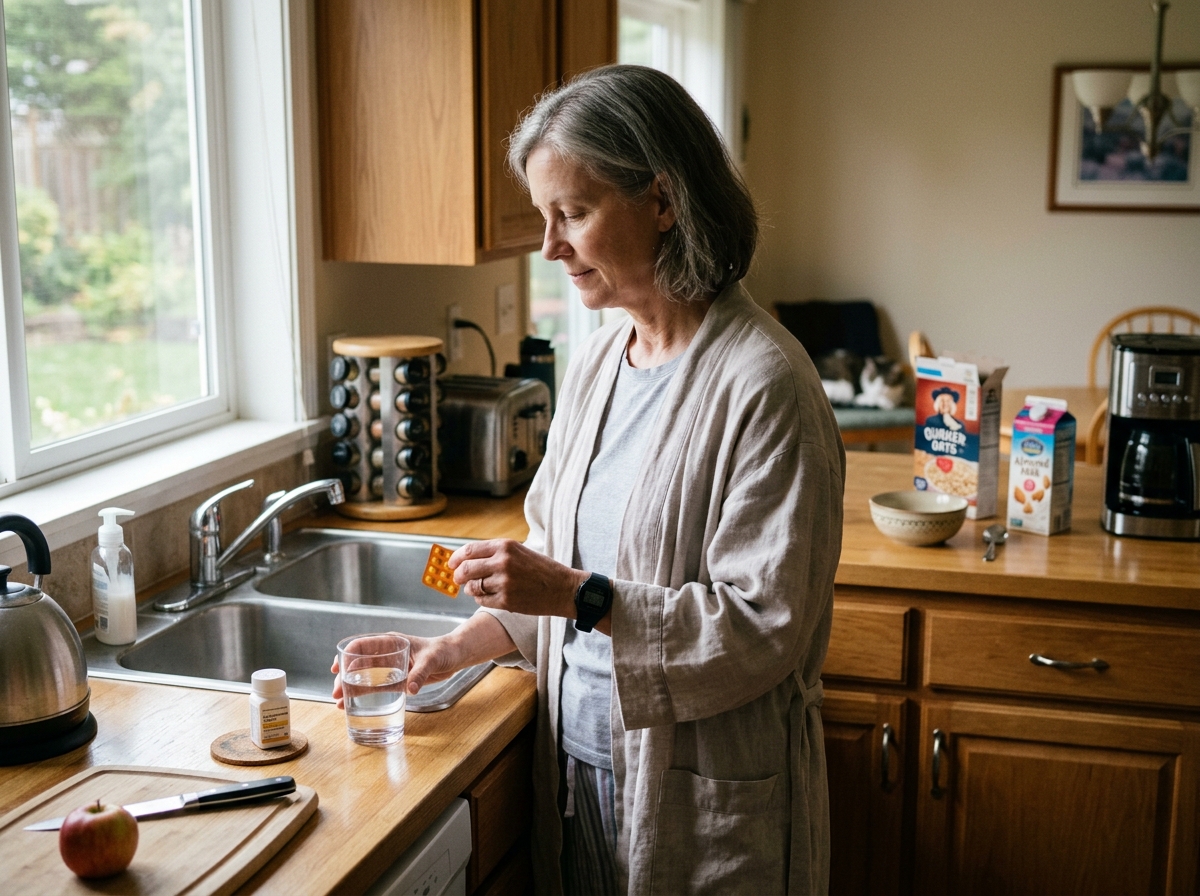
A healthy breakfast can still be the wrong breakfast timing
The goal is not to fear the food. The goal is to stop putting it into the absorption window.
What should patients know about Soy, Fiber, and Absorption Issues?
FDA labeling for levothyroxine specifically flags soybean flour, cottonseed meal, walnuts, dietary fiber, and grapefruit juice as foods that may reduce absorption enough to require dose adjustment. That does not mean the foods are toxic. It means the routine around them matters.
Patients often run into trouble after improving their diet, not after ignoring it. A new smoothie, bran cereal, fiber supplement, or soy-rich breakfast can all land in the exact part of the day where levothyroxine needs the least competition.
The safest mental model is this: levothyroxine likes a boring, empty-stomach window. Healthy foods can still be part of the day, but they should not take over that first absorption slot.
What the FDA label and clinical guidance say
ATA guidance keeps the broader recommendation simple: levothyroxine should be taken consistently on an empty stomach. When the diet changes in a meaningful way, the thyroid routine may need reassessment rather than automatic dose increases.
This is particularly important for patients who deliberately adopted a high-fiber diet for cholesterol, constipation, weight management, or diabetes care. The health goal may be good. The morning schedule may still need a redesign.
Soy is similar. Most patients do not need to avoid soy entirely. They need to stop letting soy-rich foods or powders crowd the thyroid dose itself.

Many diet-related thyroid problems begin after a good-intention routine change
A new breakfast, smoothie, or supplement can change the medication environment even when the prescription stays the same.
How the interaction happens
These foods matter because they can bind levothyroxine, slow its passage, or otherwise reduce how much of the dose is absorbed in a predictable way. The details vary, but the practical effect is the same: a stable prescription can behave like a weaker one if the food window changed.
That is why a diet shift sometimes looks like worsening thyroid disease. The medication did not change, but the environment around it did.
A repeated breakfast pattern matters far more than a one-off meal. Patients do not need to fear an occasional serving of tofu or a salad. They need to pay attention to what keeps happening near the dose every day.
Timing and spacing rules that matter
The best diet plan is the one that still protects the levothyroxine window. In most cases that means the pill comes first and the more complicated breakfast comes later.
| Scenario | Why it matters | Practical routine |
|---|---|---|
| Levothyroxine first, soy or fiber breakfast later | This is usually the cleanest setup | Take the thyroid pill with water and keep the food for after the normal wait |
| Fiber supplement with the thyroid dose | This can reduce absorption | Move the fiber supplement later in the day |
| New high-fiber diet with rising TSH | The diet change may be part of the story | Keep the pattern consistent, review symptoms, and repeat labs |
| Soy-rich infant or caregiver routine | Children and complex feeding schedules deserve extra care | If the timing is hard to protect, review the full feeding and medication schedule with the care team |

When the breakfast changed and the labs changed, the connection deserves a closer look
Routine review often solves more on this topic than blanket food avoidance does.
Common mistakes and troubleshooting
Most food-related levothyroxine problems start with a routine that looked healthy and organized but ended up too crowded.
- Pairing levothyroxine with a smoothie, bran cereal, high-fiber bar, or soy-rich breakfast because it felt like an efficient morning routine.
- Starting a fiber supplement for constipation and never mentioning it when the thyroid labs later changed.
- Assuming the only answer is eliminating the food instead of moving it.
- Treating an occasional food exposure and a daily breakfast habit as if they carry the same risk.
Special situations to remember
- Patients with constipation, diabetes, high cholesterol, vegetarian diets, or weight-management plans often make exactly the kinds of diet changes that can affect levothyroxine timing. That makes this topic especially relevant for thoughtful, adherent patients.
- If the whole morning meal pattern changed at the same time coffee, supplements, or a new levothyroxine brand changed too, the routine may need to be untangled step by step.

If timing was corrected and thyroid control still drifted, the next step should be more deliberate
Persistent symptoms after a major diet change deserve a broader review than guesswork about food alone.
When to contact a healthcare provider
Food-related timing issues are common, but a few patterns deserve more than simple trial-and-error.
- Your TSH rose after a significant diet change and has not normalized once the routine was stabilized.
- A child, older adult, or medically complex family member has a feeding schedule that makes the levothyroxine window hard to protect.
- You have persistent symptoms despite high adherence and a diet pattern that changed meaningfully in the last few months.
- You are considering a large thyroid dose increase when the bigger change may have been breakfast or supplement timing.
Frequently Asked Questions
Do I have to avoid soy completely if I take levothyroxine?
Usually no. The bigger issue is not total soy avoidance but keeping soy-rich foods out of the levothyroxine absorption window.
Does fiber block levothyroxine?
High-fiber meals and fiber supplements can reduce absorption when they are taken too close to the dose.
What foods are actually listed in the label?
The prescribing information specifically mentions soybean flour, cottonseed meal, walnuts, dietary fiber, and grapefruit juice among the foods that may affect absorption.
Can I eat a high-fiber breakfast later in the morning?
Often yes. The practical goal is protecting the early levothyroxine window rather than banning the food for the entire day.
Why did my TSH rise after I cleaned up my diet?
Sometimes a healthier breakfast or new fiber routine unintentionally moved more absorptive blockers closer to the dose.
Should I increase the thyroid dose or change breakfast first?
Usually it makes more sense to review the routine first and then repeat labs before assuming the prescription itself needs to rise.
Key Takeaways
- Soy and fiber can matter, but usually because of timing and routine rather than total avoidance.
- The label specifically names soy-related foods, walnuts, dietary fiber, and grapefruit juice as possible absorption problems.
- A healthier breakfast can still create a less reliable thyroid routine if it crowds the dosing window.
- Consistency and separation matter more than fear.
Related Guides
- Levothyroxine Interactions: Complete FDA-Sourced Guide to Food, Drugs and Supplements
- Levothyroxine and the Empty Stomach Rule
- Best Time of Day to Take Levothyroxine
- Coffee and Levothyroxine: How Long to Wait
- The Hypothyroid Diet: Foods That Help and Hinder
- Levothyroxine and Vitamin D
Sources
- FDA. Levothyroxine sodium tablets prescribing information. https://www.accessdata.fda.gov/drugsatfda_docs/label/2023/021116s027lbl.pdf
- American Thyroid Association. Hypothyroidism booklet. https://thyroid.org/wp-content/uploads/patients/brochures/Hypothyroidism_web_booklet.pdf
- Synthroid prescribing information food interaction warnings. https://www.accessdata.fda.gov/drugsatfda_docs/label/2022/021402s036lbl.pdf