This is one of the few levothyroxine problems where the supplement can change the lab before it changes how the patient feels.
That is why it gets missed. People take a hair, skin, and nails vitamin, their thyroid tests suddenly look more hyperthyroid than expected, and everyone wonders whether the levothyroxine dose is too high. Sometimes the real problem is not the dose at all. It is the test result.
Here is the short answer: Biotin usually does not block levothyroxine absorption, but it can interfere with thyroid blood tests and make TSH appear falsely low while free T4 or free T3 appear falsely high.
This guide explains why that happens, how biotin products are often hidden in beauty supplements, and why dose changes should not be made on distorted thyroid labs alone.
The Quick Answer
| Situation | What it usually means | Better move |
|---|---|---|
| High-dose biotin supplement before thyroid labs | The blood test can become misleading | Tell the lab and clinician about the supplement and stop it before testing as instructed |
| Hair, skin, and nails product with biotin | This is the most common hidden source | Check the label even if you do not think of it as a thyroid-related supplement |
| Lab results changed but symptoms did not | Biotin interference should move higher on the list | Repeat labs after biotin has been held appropriately |
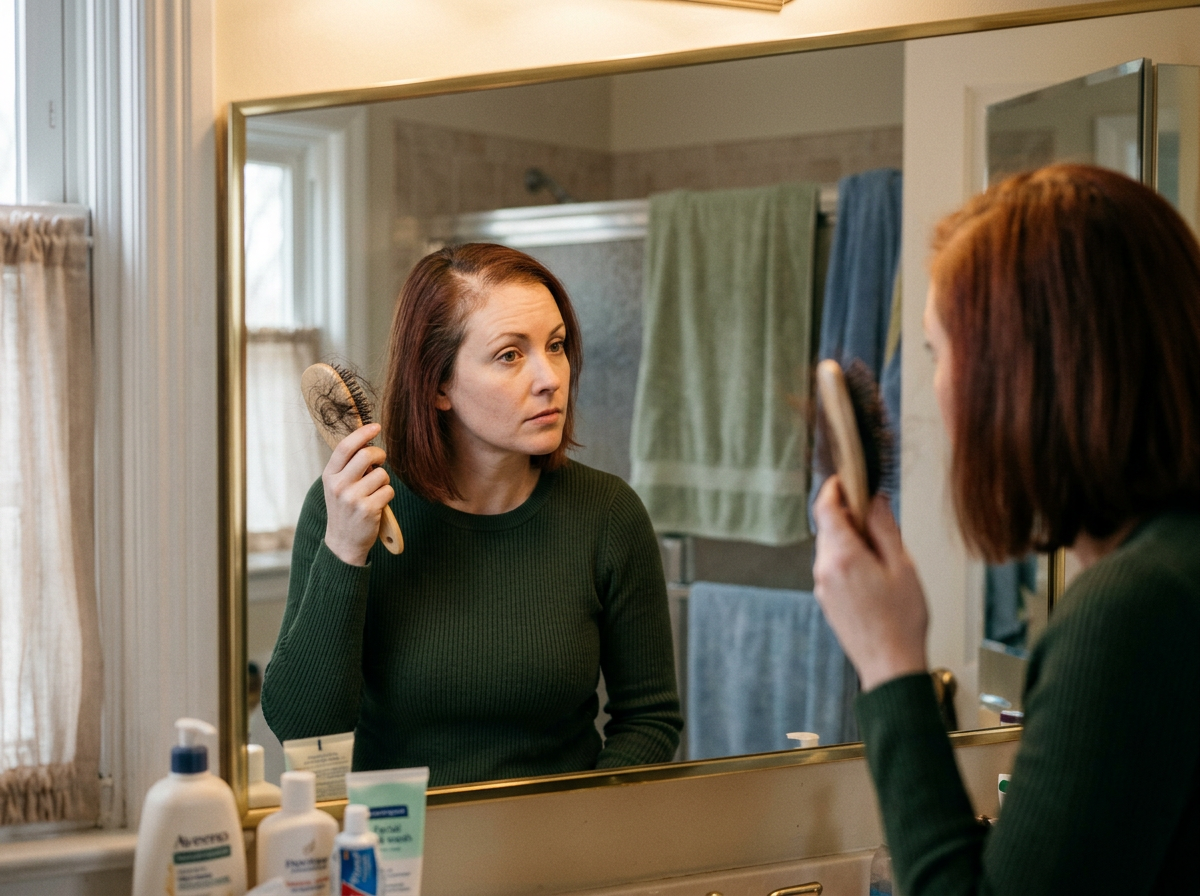
The supplement can change the test long before anyone suspects it changed the thyroid dose
That is why the label has to be part of the thyroid conversation before the blood draw happens.
What should patients know about Levothyroxine and Biotin: The Hidden Lab Interference?
Biotin belongs in a different category from calcium, iron, and coffee. It is usually a lab-interference problem rather than a gut-absorption problem. That difference is what makes it so dangerous to miss.
ATA patient material on thyroid function tests specifically warns that biotin can affect test results. The NIH Office of Dietary Supplements also notes that biotin can interfere with lab tests, including tests used to assess thyroid hormones.
Patients miss this because beauty and wellness supplements do not feel like thyroid medications. But a high-dose hair-and-nails gummy can distort thyroid testing just as effectively as a more obviously medical product.
What the FDA label and clinical guidance say
If thyroid labs changed unexpectedly after biotin entered the routine, the safest move is usually not to rush into a levothyroxine dose change. The safer move is to document the supplement and repeat testing after biotin has been held for the interval recommended by the lab or clinician.
ATA patient guidance commonly advises stopping biotin for at least 2 days before thyroid testing. Some clinicians use a longer hold depending on dose, assay, or local lab instructions, so the specific lab guidance still matters.
The practical question is not whether biotin is harmful to everyone. The practical question is whether it made a good lab result impossible to interpret correctly on that day.

Biotin belongs in the lab-interpretation category, not the breakfast-spacing category
The clue often appears when the numbers look dramatic but the patient story does not.
How the interaction happens
Many thyroid immunoassays rely on biotin-streptavidin chemistry. High-dose supplemental biotin can disrupt that assay design and create results that look more hyperthyroid than the patient really is.
That is why the classic pattern matters so much: a falsely low TSH and falsely high free thyroid hormone results in a patient who may not feel overtly hyperthyroid at all.
If the lab pattern and the patient story do not match, biotin belongs on the shortlist before the levothyroxine dose is changed.
Timing and spacing rules that matter
The practical rule is not ‘separate biotin from levothyroxine by 4 hours.’ The more useful rule is ‘keep biotin out of the thyroid lab window when the lab or clinician tells you to.’
| Scenario | Why it matters | Practical routine |
|---|---|---|
| Daily biotin supplement with no labs planned soon | This is mainly a future testing issue | Document the supplement so it is not forgotten at the next thyroid blood draw |
| Biotin taken close to a thyroid lab appointment | The test can become misleading | Follow the lab or clinician hold instructions before testing |
| Hair, skin, and nails supplement of uncertain dose | The patient may underestimate the exposure | Read the label and mention it before thyroid testing |
| Lab results and symptoms do not match | Interference deserves more suspicion | Repeat testing after biotin has been held rather than changing levothyroxine blindly |
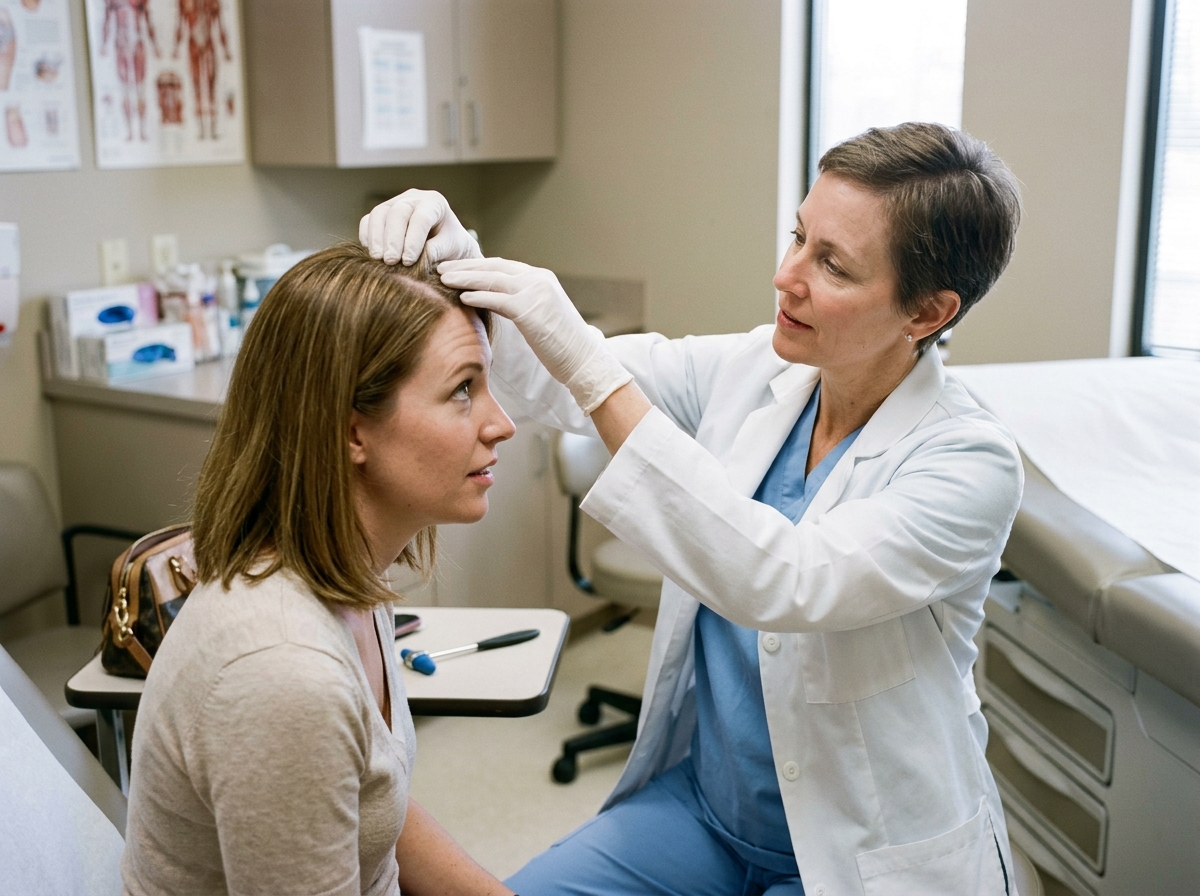
The easiest fix is usually before the blood draw, not after the confusing result
Once biotin is recognized as the issue, a cleaner repeat test often tells a much clearer story.
Common mistakes and troubleshooting
The most damaging mistake in this topic is changing the levothyroxine dose to match a bad test.
- Forgetting to mention a hair, skin, and nails supplement because it did not feel like medication.
- Assuming biotin changed how the patient feels when it actually changed how the assay reads.
- Making a dose change after one distorted lab pattern without repeating the test.
- Not asking the lab or clinician how long biotin should be held before the next thyroid panel.
Special situations to remember
- This topic matters even more in patients with narrow TSH targets or frequent monitoring, such as thyroid cancer follow-up, recent dose changes, or pregnancy-related management.
- If a patient started biotin, changed the levothyroxine brand, and had labs drawn all in the same time period, the sequence needs to be clarified before any dose conclusion is trusted.

A good repeat test is often worth more than a fast dose change
If the assay was distorted, the safest treatment decision is the one made after cleaner data.
When to contact a healthcare provider
Most biotin issues can be fixed by correcting the test preparation, but a few situations deserve a faster review.
- The thyroid lab pattern looks hyperthyroid but the symptoms do not fit at all.
- A major levothyroxine dose change is being considered based on a result obtained while biotin use was unclear.
- You take high-dose hair, skin, and nails supplements regularly and have frequent thyroid blood work.
- Pregnancy, thyroid cancer suppression, or another narrow-target situation makes lab accuracy especially important.
Frequently Asked Questions
Does biotin block levothyroxine absorption?
Usually no. The main problem is laboratory interference rather than a classic absorption problem.
What thyroid test pattern can biotin create?
It can make TSH appear falsely low and free thyroid hormone results appear falsely high on certain assays.
How long should biotin be stopped before thyroid labs?
ATA patient guidance commonly advises at least 2 days, but some labs or clinicians may use a longer hold depending on the situation.
Do hair, skin, and nails vitamins count?
Yes. Those products are one of the most common hidden sources of high-dose biotin.
Should I change my levothyroxine dose if my lab looked abnormal while I was taking biotin?
Usually the safer move is to repeat the lab after biotin has been held appropriately before making a lasting dose change.
Why do I feel fine if the lab looks hyperthyroid?
Because the result may reflect assay interference rather than your actual thyroid status.
Key Takeaways
- Biotin usually creates a lab problem, not a gut-absorption problem.
- The classic misleading pattern is a falsely low TSH with falsely high free thyroid hormone values.
- Hair, skin, and nails supplements are a common hidden source.
- Repeat the lab after biotin is held before making major thyroid dose decisions.
Related Guides
- Levothyroxine Interactions: Complete FDA-Sourced Guide to Food, Drugs and Supplements
- Levothyroxine and the Empty Stomach Rule
- Best Time of Day to Take Levothyroxine
- How to Read Your Thyroid Lab Results
- Levothyroxine and Metformin
- Complete Drug Interaction Reference
Sources
- FDA. Levothyroxine sodium tablets prescribing information. https://www.accessdata.fda.gov/drugsatfda_docs/label/2023/021116s027lbl.pdf
- American Thyroid Association. Hypothyroidism booklet. https://thyroid.org/wp-content/uploads/patients/brochures/Hypothyroidism_web_booklet.pdf
- American Thyroid Association. Thyroid Function Tests brochure. https://thyroid.org/wp-content/uploads/patients/brochures/FunctionTests_brochure.pdf
- NIH Office of Dietary Supplements. Biotin Fact Sheet for Consumers. https://ods.od.nih.gov/pdf/factsheets/Biotin-Consumer.pdf